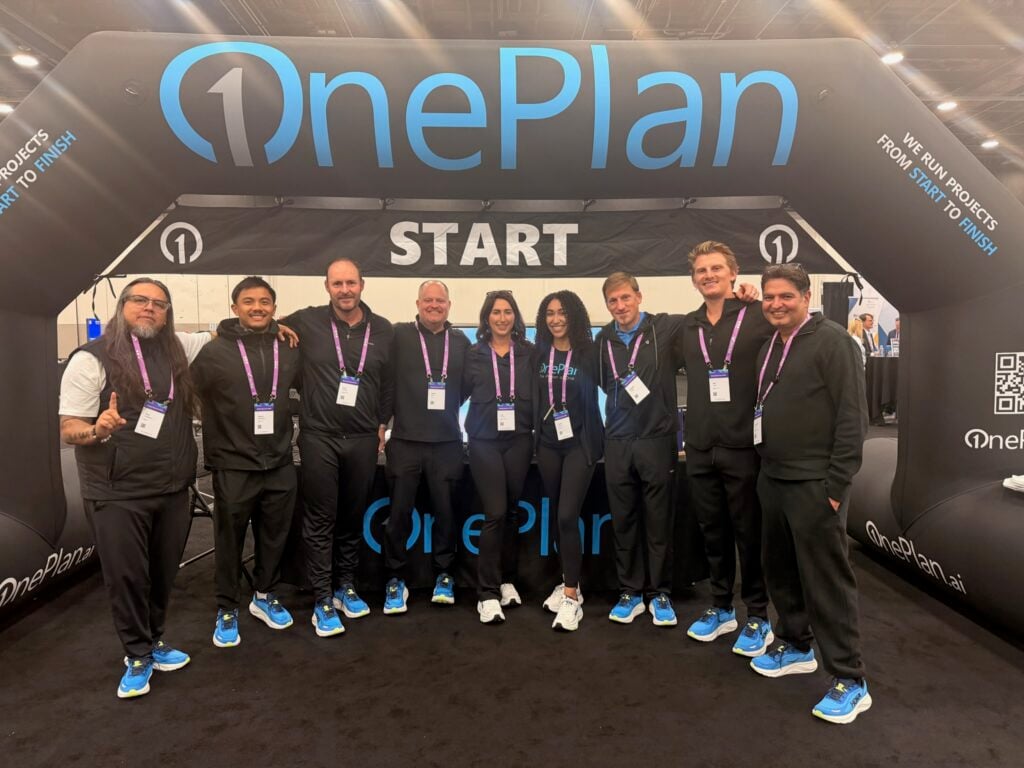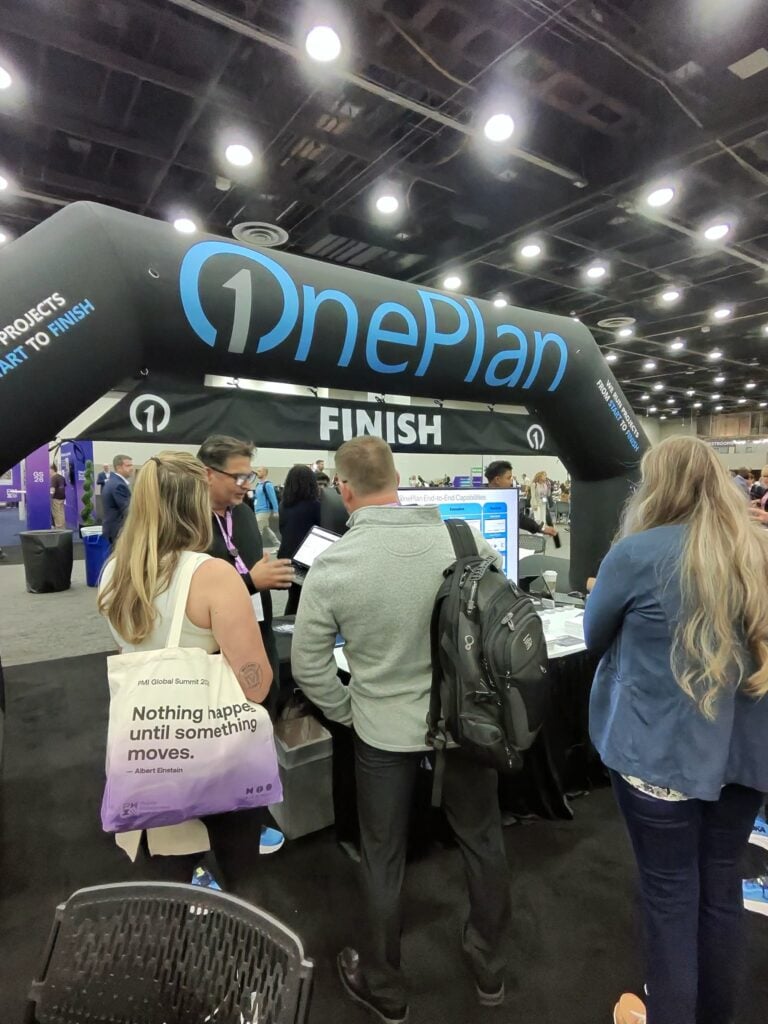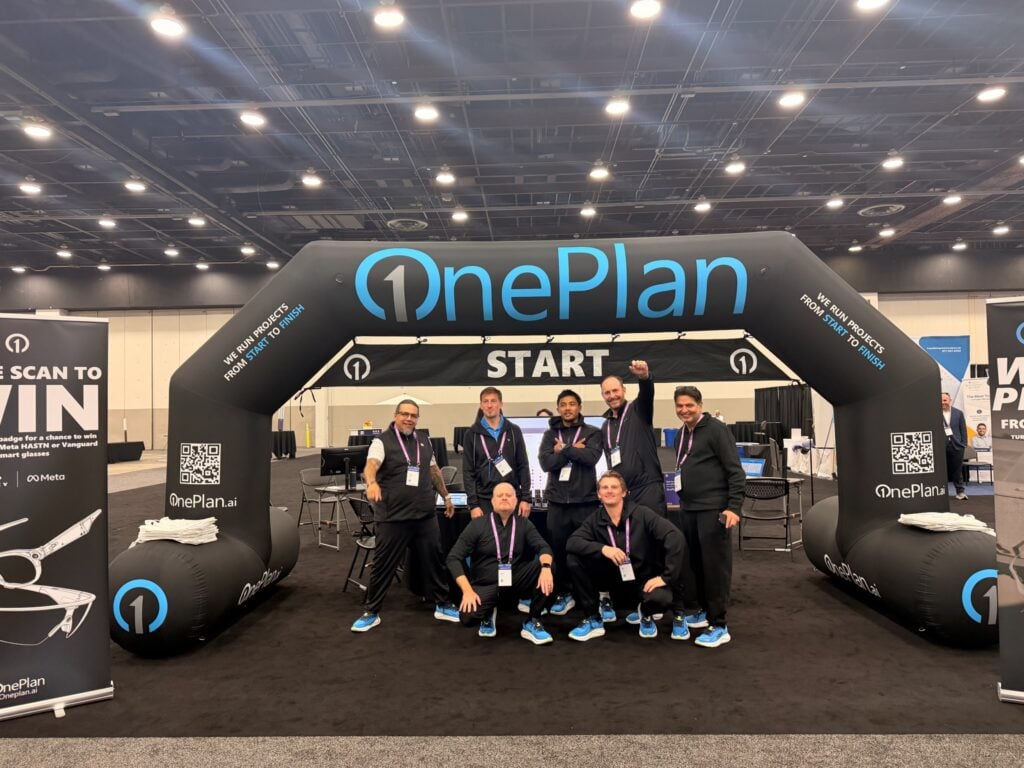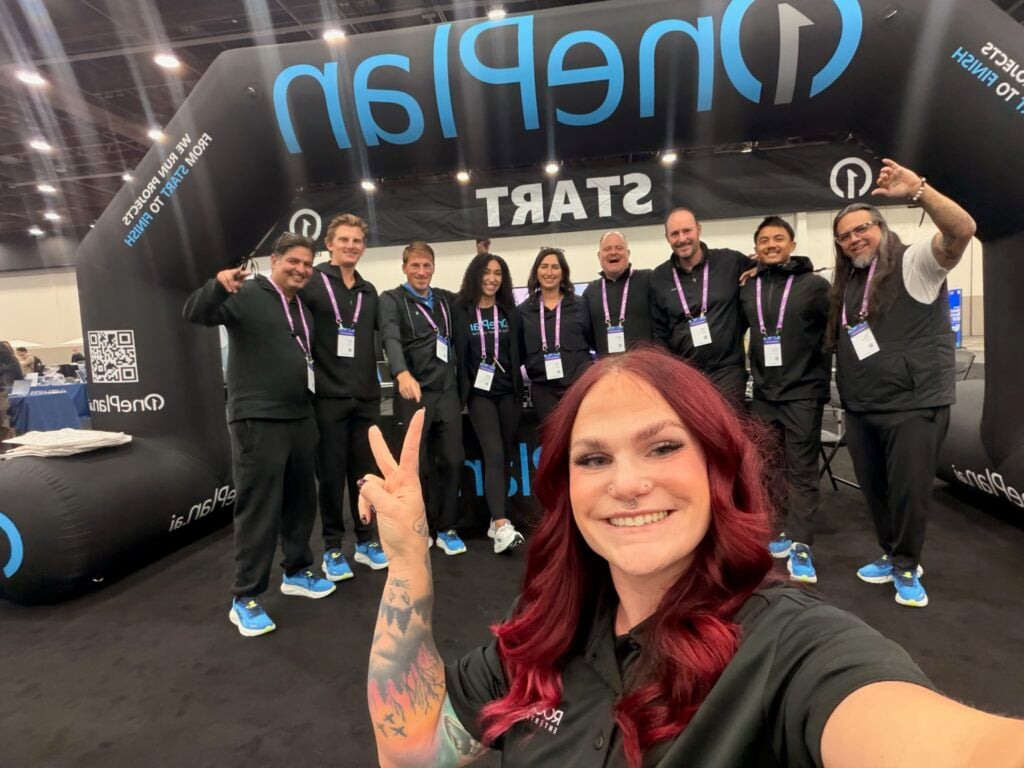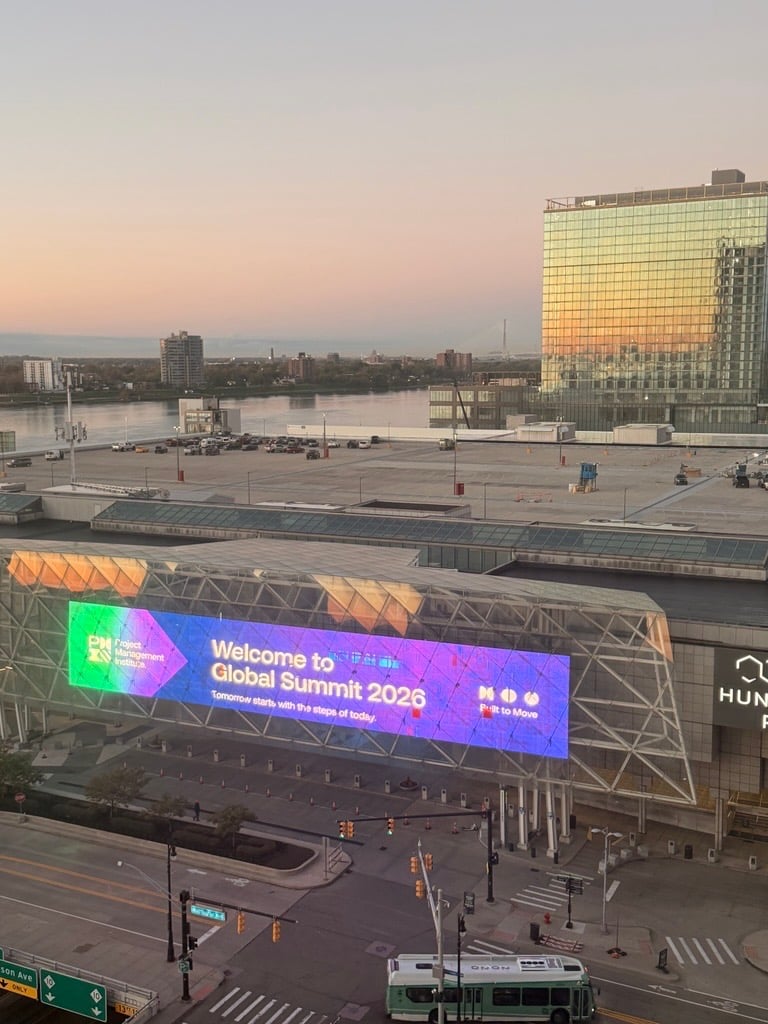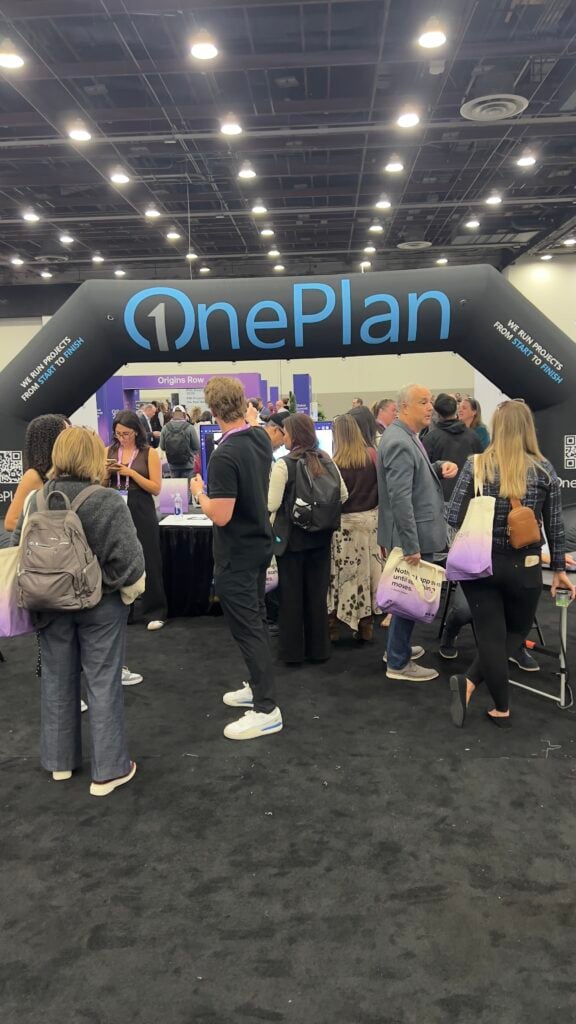
Project professionals from around the world came to Detroit for PMI Global Summit 2026, and the OnePlan team spent four days right in the middle of it. At the booth and in the hallways, we talked with PMO leaders, portfolio managers, and IT leaders about what’s working, what isn’t, and what keeps them up at night.
Couldn’t make it? Here’s what you missed.
The quick version
PMI Global Summit 2026 took place October 21–24 at Huntington Place in Detroit, Michigan. Short on time? Here’s what everyone was talking about:- Value is the new finish line. On time and on budget still matters. But leaders now want proof that projects move the business forward.
- Everyone has too many tools. Most teams we met use five or six tools and still can’t see the big picture.
- Nobody wants to start over. People want their current tools connected, not replaced.
- AI is only as good as your data. Everyone’s excited about AI. The smart move is to fix your data first.
What was the big theme at PMI Global Summit 2026?
In a word: value. Session after session came back to the same idea. On time and on budget used to be the goal. Now leaders want to know how each project ties to strategy and what it actually delivers. Jimmy Chin’s Day 3 keynote, The Climb Beyond the Summit, made this point well. He talked about how top teams on the mountain handle risk, make tough calls under pressure, and stay on the same page when conditions change. Sound familiar? Project teams face the same thing every day. The difference is whether you can see the whole mountain or just the next few steps.What were people struggling with the most?
Visibility, hands down. If we had a dollar for every time someone at our booth said some version of “We have too many tools and not enough visibility,” we’d have a very nice team dinner fund. Here’s the picture we heard again and again: Smartsheet in one department, Jira in another, Microsoft Project somewhere else, and spreadsheets holding it all together with digital duct tape. Many teams didn’t have a real portfolio tool at all. Just a mix of tools and no easy way to plan across them. You can guess what happens next. Teams spend hours copying and pasting data into reports. By the time the deck is done, it’s already out of date. Then big calls about budget, people, and priorities get made with half the picture. That’s why executive reporting and dashboards came up so often. Nobody wanted more bells and whistles. They wanted a clear view their leaders could trust and act on. Several told us they came to the summit with one goal: find something worth bringing back to their execs.Why is integration such a big deal?
Because nobody wants to retrain a whole company on yet another system. Integration was a close second in our conversations. Teams like the tools they use every day. What’s missing is one layer on top that pulls work, budgets, and people into a single view. This is where things got interesting. OnePlan’s end-to-end model runs from Demand to Planning to Execution to Reporting, so you can manage strategy, work, people, and budgets in one place while keeping the tools your teams already use. One of our favorite moments: an attendee told us they’d brought the same list of questions to these events for years. We were the first booth to say yes to all of them. We’ll take it.What did people say about AI at PMI Global Summit 2026?
Short answer: a lot. But the most useful takeaway wasn’t hype. It was a reality check: AI is only as good as the data and decisions behind it. The agenda included sessions on AI agents and closed with a general session called The Project Profession in the Age of AI: What’s Changing, Why It Matters, and What’s Next. We felt the same buzz at our booth. Teams want to put AI to work, and lots of people asked about linking AI tools straight to their project data through MCP (Model Context Protocol). One session title summed up the risk perfectly: When AI Uses Dead Rules: Protecting Project Decisions From Outdated Law, Policy, and Requirements. If your data is scattered, stale, or stuck in separate tools, AI won’t fix that. It’ll just give you wrong answers faster, and with more confidence. So the first step with AI isn’t picking a model. It’s getting your portfolio data connected and well managed. People still make the calls. AI just helps a lot more when the data behind it is solid.What’s a hidden readiness gap?
It’s the stuff your project plan can’t see coming, like resource conflicts, budget overruns, or dependencies that show up too late to fix. The session What Your Project Plan Cannot See: Hidden Readiness Gaps gave a name to something we heard about all week. Plans often look great on paper. A portfolio view helps you spot surprises before they turn into fire drills.Should you build your own portfolio tool or buy one?
It’s a fair question. We heard it from big companies and brand-new PMOs alike: “Why wouldn’t we just build this ourselves?” Some teams already have a homegrown portfolio view, and it can work for a while. The real question is what it takes to keep it running. Every new integration, report request, and AI feature lands on someone’s to-do list. A purpose-built platform takes that off your plate, so your PMO can focus on delivering value, not maintaining tools. Our recommendation? Save your developers for the work that sets your business apart, and let OnePlan handle the portfolio layer. You get strategy, work, people, and budgets in one view. It connects with tools like Jira, Smartsheet, and Microsoft Project, and it comes with Sofia AI, our built-in AI assistant. No extra system for your team to build or maintain.Is OnePlan available for government agencies?
Yes. We had great conversations with federal agencies about the news that OnePlan is now FedRAMP certified. Public sector PMOs face the same visibility and reporting headaches as everyone else, often with more systems and stricter rules. With FedRAMP certification, agencies can manage strategy, portfolios, programs, budgets, and resources in one secure platform built for government. Learn more about OnePlan for GovernmentThe takeaway
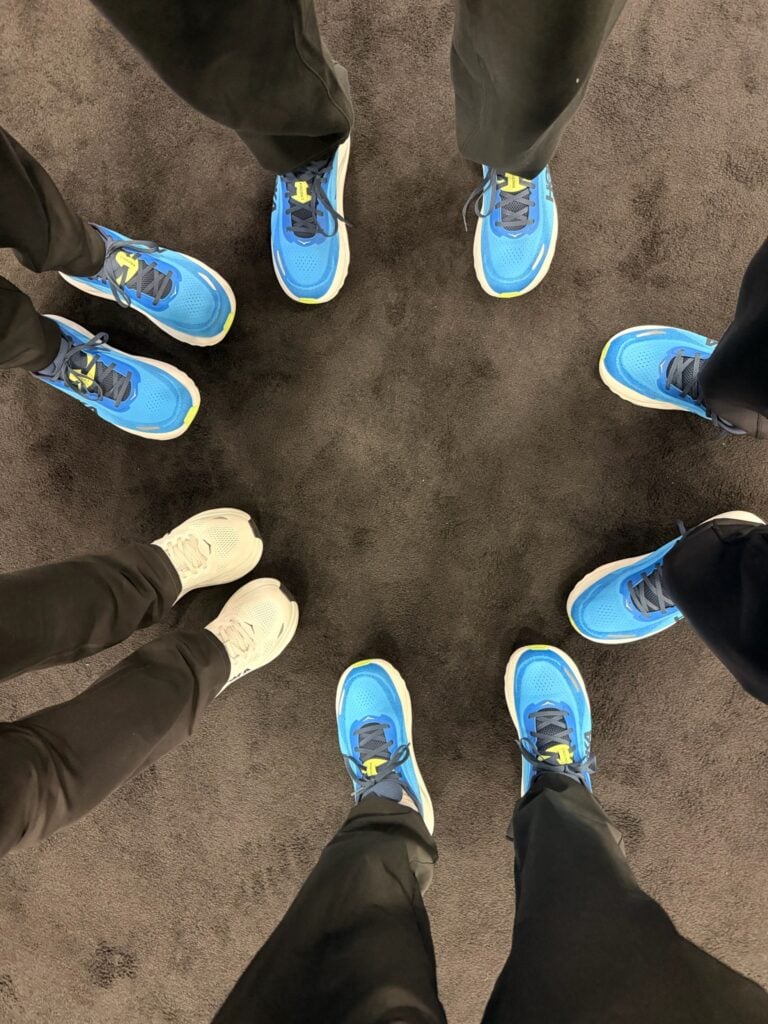
PMI Global Summit 2026 confirmed what our customers tell us every day. Teams don’t need another tool. They need the tools they have to work together. When strategy, work, people, and budgets live in one view, leaders make faster, smarter decisions. And teams get their afternoons back. And to everyone who stopped by our booth, danced along to the music, or asked about our shoes: thank you. Same time next year?Quick answers: PMI Global Summit 2026 FAQ
When and where was PMI Global Summit 2026?
It was held October 21–24, 2026, at Huntington Place in Detroit, Michigan.Who spoke at PMI Global Summit 2026?
Climber and filmmaker Jimmy Chin gave the Day 3 keynote, The Climb Beyond the Summit, about how great teams handle risk and stay on the same page when things change.What were the main topics at PMI Global Summit 2026?
The big topics were proving project value, portfolio visibility, connecting existing tools, AI and AI governance, and spotting hidden gaps in project plans.What is MCP (Model Context Protocol)?
MCP is an open standard that lets AI tools connect directly to other apps and data. For project teams, it means an AI assistant can work with your live project data instead of an old export.How can I get better visibility across Jira, Smartsheet, and Microsoft Project?
Connect them to one portfolio management layer. Leaders get a single, up-to-date view of strategy, work, people, and budgets. Your teams keep using the tools they already know.Is OnePlan FedRAMP certified?
Yes. OnePlan is FedRAMP certified, so U.S. federal agencies can manage strategy, portfolios, programs, budgets, and resources in one secure platform. Want to see how OnePlan could bring your portfolio together? Book a demoSnapshots from the OnePlan Booth